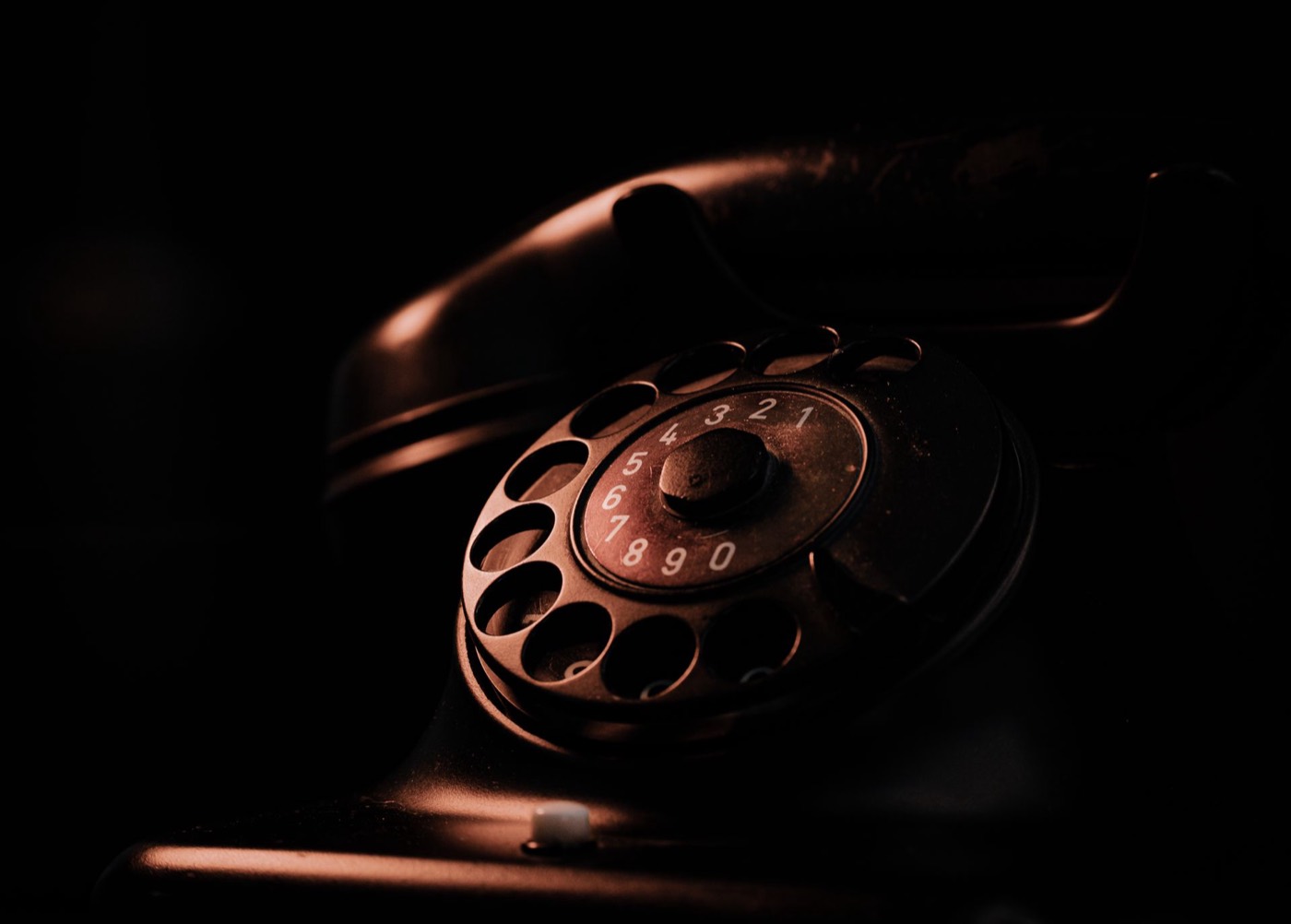
It is 3:07 in the morning and the phone at the desk is ringing.
The caller is in a taxi on the airport road. His flight was diverted twice, and he is arriving five hours late with his father, who is eighty-one, tired past the point of patience, and speaks only Portuguese. He wants to know three things: whether the room is still held, whether someone can meet the car with a wheelchair, and whether anything warm can be sent up, because his father has not eaten since Lisbon.
Whoever answers that call is, for the next four minutes, the entire property. Not the lobby, not the awards, not the standard rehearsed at the morning line-up. One voice, at an hour when nobody senior is awake to help.
The standard you can only prove in the dark
The walk-through at ten in the morning is a fair test, honestly passed. The flowers are fresh because someone checked them. The greeting lands because the team has delivered it forty times since breakfast, and because everyone knows the GM is on the floor. None of that is theater in the cynical sense. It is the standard, practiced.
But a standard is a claim about all hours, and daylight can only ever prove some of them. What a guest experiences at three in the morning is the standard with no witnesses: no manager within reach, no colleague to hand off to, none of the adrenaline of a full lobby. If the answer at that hour is unhurried, accurate, and kind, then it was never a performance. If it is a long ring and a flustered voice, that is information too, arguably the most honest information a GM ever receives.
The arithmetic nobody says out loud
At three in the morning, a property that employed sixty people at noon is often being run by two. Sometimes one. The night auditor is also the telephone operator, the concierge, the second set of eyes on the cameras, and the person who signs for the fish delivery at a quarter past four. When the phone rings while they are walking a noise complaint on the fourth floor, the call and the complaint compete, and one of them loses.
There is no scandal in this. No luxury property staffs the overnight the way it staffs the afternoon, and no ownership group would approve one that tried. The overnight team, for its part, is frequently among the most capable in the building: people who chose the quiet shift and learned to run it alone. Which is precisely why the failure, when it comes, is not a people problem or a training problem. It is a simultaneity problem. One person cannot hold a worried medical question with full attention, in a language they do not speak, while the door pager sounds and the audit sits half-posted. No coaching session resolves that. The outcome was decided months earlier, in a budget meeting held in daylight.
Every GM knows this arithmetic. Most have simply made peace with it, because the alternatives have always been worse: overstaff a shift that is quiet ninety nights out of a hundred, or accept that the hundredth night belongs to chance.
Flawless does not keep office hours
Listen to how guests actually praise the properties they love. They rarely mention thread counts. They tell the story of the odd hour: the connection rebooked at midnight, the calm voice that answered on the second ring when a child spiked a fever before dawn. Flawless, in a guest’s mouth, almost never means perfect. It means consistent: the quiet discovery that the property they met at three in the afternoon was still there, undiminished, at three in the morning.
That is the whole test, and it cannot be crammed for. The properties that pass it have decided, somewhere along the way, that their standard does not sleep when the executive committee does.
The next time you want to know how your hotel is really doing, skip the walk-through. Call the desk at three.